• Comprehensive eye exams check more than vision sharpness; they screen for conditions like glaucoma and diabetic retinopathy that often show no early symptoms.
• Families in Southern Indiana can find full-scope exams, pediatric care, and eyewear support at practices with multiple local locations.
• Scheduling annual visits, rather than waiting for vision changes, helps catch problems earlier and keeps prescriptions current.
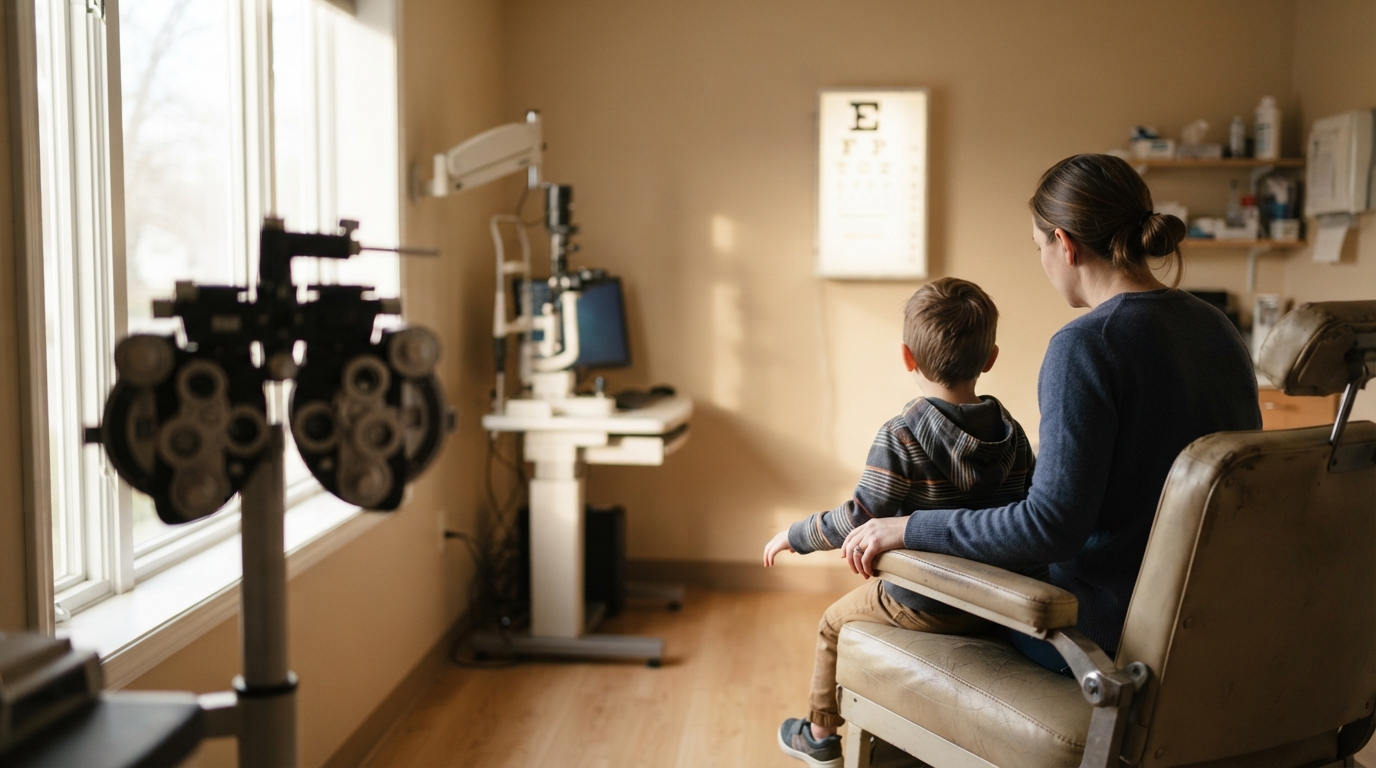
Finding reliable Eye Exams Indiana providers starts with understanding what a comprehensive exam actually covers and how often your family should schedule one. A thorough visit goes beyond reading a chart on the wall.
Southern Indiana families have several established options for routine and medical eye care, including practices with a long regional history. VisionFirst is one such provider, and understanding what a quality exam includes can help you compare any local practice with confidence, whether you choose that group or another optometrist in your area.
What a Comprehensive Eye Exam Actually Involves
A routine visit checks far more than whether you need a new prescription. Eye doctors look for early warning signs of conditions during exams, since these issues often develop without noticeable symptoms in their early stages.
Typical components of a full exam include:
• Visual acuity testing to measure clarity at various distances
• Pupil size and reactivity checks
• Eye movement and alignment monitoring
• Peripheral vision assessment
• Screening for glaucoma, macular degeneration, diabetic retinopathy, and cataracts
A basic vision screening, like those sometimes done at schools, checks visual acuity but does not go nearly as deep as a full eye exam performed by an optometrist. Screenings are a useful first flag, not a substitute for a professional diagnostic visit.
How Often Should Families Schedule Exams
Eye care needs shift across a lifetime, which is why exam frequency is not one-size-fits-all. General guidance from eye health organizations supports annual or biennial exams for most adults, with more frequent monitoring for children and people managing chronic eye conditions.
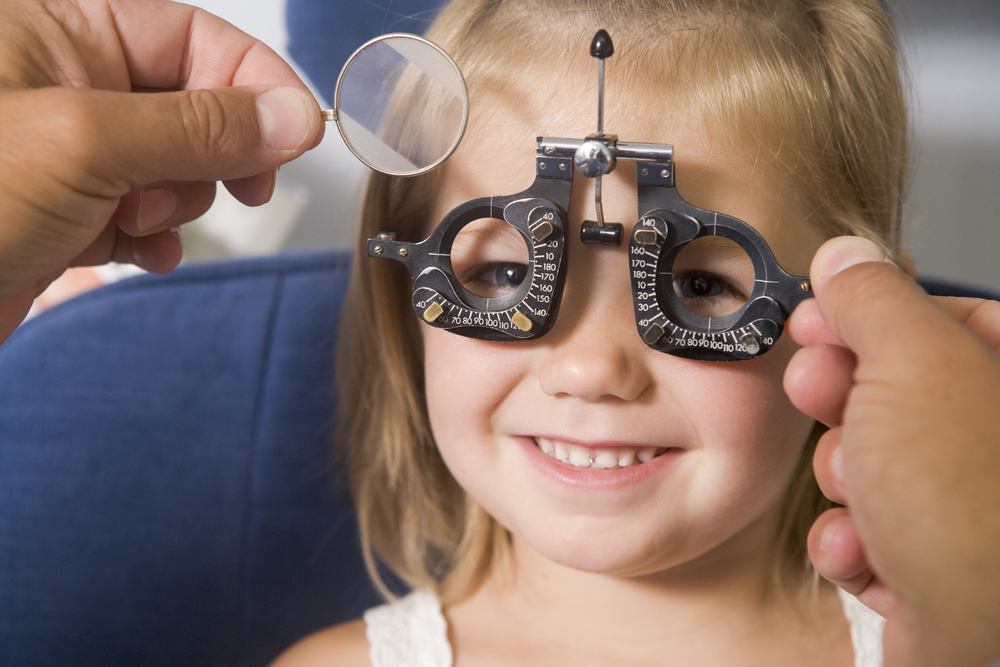
• Children benefit from early exams, since undetected vision problems can affect learning and daily activities
• Adults with no known conditions typically do well with annual checkups
• Contact lens wearers usually need yearly fittings to confirm proper fit and prescription accuracy
• Anyone with a family history of glaucoma or diabetes-related eye disease may need closer monitoring
According to the National Eye Institute, comprehensive dilated eye exams are the best way to detect common eye diseases in their earliest, most treatable stages. This guidance applies broadly across age groups and is especially relevant for anyone managing diabetes or with a family history of eye disease.
Comparing Exam Types Available Locally
Not every visit serves the same purpose, and knowing the difference helps you request the right appointment when scheduling.
|
Exam Type |
Primary Purpose |
Typical Frequency |
|
Routine eye exam |
Vision correction, general eye health check |
Annually |
|
Medical eye exam |
Diagnosis or management of a specific eye condition |
As needed or recommended by doctor |
|
Pediatric eye exam |
Vision development, early detection in children |
Per pediatrician or optometrist guidance |
|
Contact lens fitting |
Confirming proper lens fit and prescription |
Annually for most wearers |
The line between routine and medical exams can blur in practice. An eye care professional may incorporate elements of both during a single visit when a patient reports specific symptoms or concerns.
Choosing a Local Provider for Your Family
Selecting a practice involves more than convenience of location, though that matters for families juggling multiple schedules. Consider these factors before booking:
1. Availability of pediatric-specific exam experience for young children
2. Whether the practice handles both routine and medical eye exams under one roof
3. Access to multiple locations if your family needs flexible scheduling across different towns
4. Clear communication about insurance coverage and appointment length
Practices serving Kentucky and Southern Indiana, including VisionFirst, have built out multiple locations to support this kind of flexibility for regional families. Comparing a few nearby options against these criteria makes it easier to settle on a practice that fits your household’s needs rather than choosing based on proximity alone.
Frequently Asked Questions
How long does a comprehensive eye exam typically take? Exam length varies by provider and by whether dilation or additional testing is needed, but many routine visits are completed within about 30 to 45 minutes.
Do children need a different type of eye exam than adults? Pediatric exams focus on vision development and early detection, since undetected issues can affect a child’s learning and daily activities. The testing approach is adjusted to be age-appropriate and comfortable for young patients.
What is the difference between a vision screening and a full eye exam? A screening checks basic visual acuity, while a full exam also evaluates pupil reactivity, eye movement, peripheral vision, and screens for diseases like glaucoma. The full exam provides a much more complete picture of eye health.
Should I get an eye exam even if my vision seems fine? Yes. Many serious eye conditions produce no obvious symptoms until they have progressed, which is why routine exams remain valuable even without noticeable vision changes.
Choosing where to schedule eye exams in Indiana comes down to matching your family’s needs with a practice that offers thorough exams, handles pediatric care competently, and provides enough location flexibility to keep appointments manageable. Families across Southern Indiana have access to established local providers, including VisionFirst, that combine routine and medical eye care in one setting. Taking the time to book that first exam, rather than postponing it, is the most practical step toward protecting your family’s long-term eye health.